

Can “Stressful People” Make You Age Faster?
Most people know that stress is bad for health. But what about the stress caused by difficult people around us?
A recent study suggests that having stressful people in your daily life may actually speed up biological aging.
Researchers from New York University, Indiana University, and the University of Texas at Austin analyzed data from 2,345 adults between the ages of 18 and 103. The average age of participants was about 46.
Participants were asked about their social relationships during the previous six months. At the same time, saliva samples were collected and analyzed. These samples were used to measure epigenetic markers, which can indicate the speed of biological aging at the cellular level.
About 30% of participants reported having at least one person in their life who regularly causes stress, while about 10% said they had two or more such people. Women were also more likely than men to report negative social relationships.
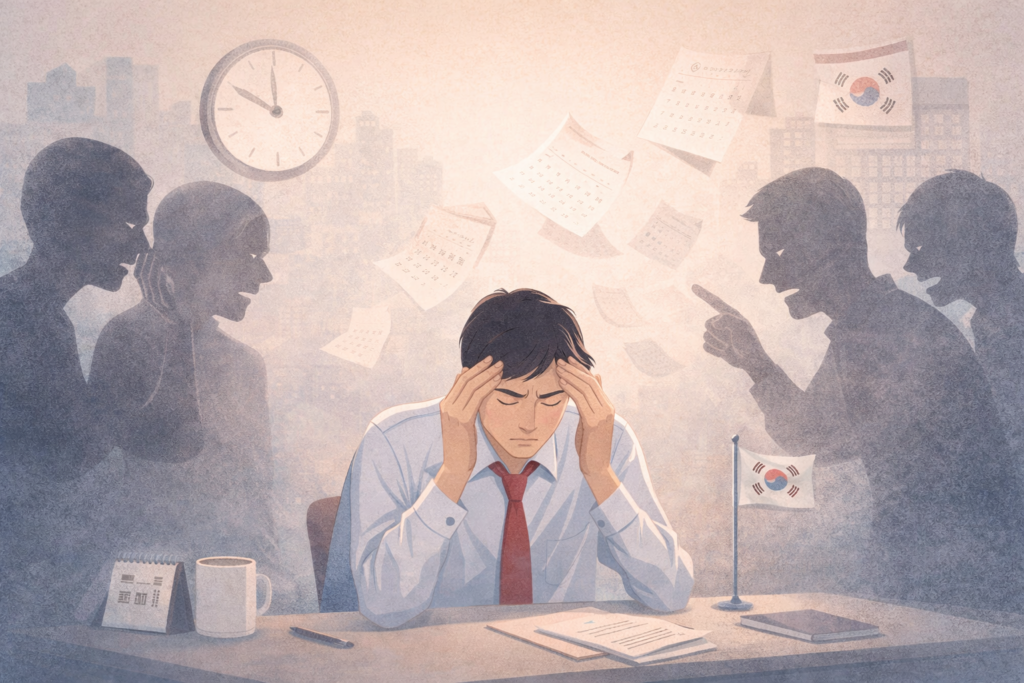
Stressful Relationships May Speed Up Aging
The study found that each additional stressful person in someone’s life was associated with about a 1.5% increase in the rate of biological aging.
Although the number may seem small, the effect can accumulate over time. Researchers estimated that ongoing stress from difficult relationships could result in a person’s biological age being about 9 to 10 months older than their actual age.
Biological aging refers to how quickly cells and body systems age. It does not always match chronological age.
Interestingly, the people identified as stressful were not always spouses or partners. Parents and children were mentioned more often, while coworkers, roommates, and neighbors were also frequently reported as sources of stress.
The research team noted that the study does not prove that difficult people directly cause aging. However, a clear statistical link between negative social relationships and faster biological aging was observed.
Jed’s Commentary
The Hidden Stress of Social Relationships in Korea
In Korea, there is a phrase people often say:
“Life is hard because of money and work, but the hardest thing is dealing with people.”
After many years of living here in Korea, I sometimes feel that this saying contains more truth than people realize.
From a very young age, Korean society places people in constant competition. The competition begins in kindergarten and continues through elementary school, middle school, high school, university, graduate school, and eventually the workplace. Even outside of work, people are often compared with neighbors, relatives, and friends. Life can begin to feel like an endless ranking system where everyone measures themselves against someone else.
Marriage does not always end this pattern either. In some families, competition simply changes its shape. Husbands and wives sometimes compare their careers or achievements. Children are compared with other children. Even extended families can become involved. In-laws may compete over who has helped the couple more, sometimes expecting financial support or repayment later. In some cases, these expectations can quietly become a source of conflict within the marriage itself.
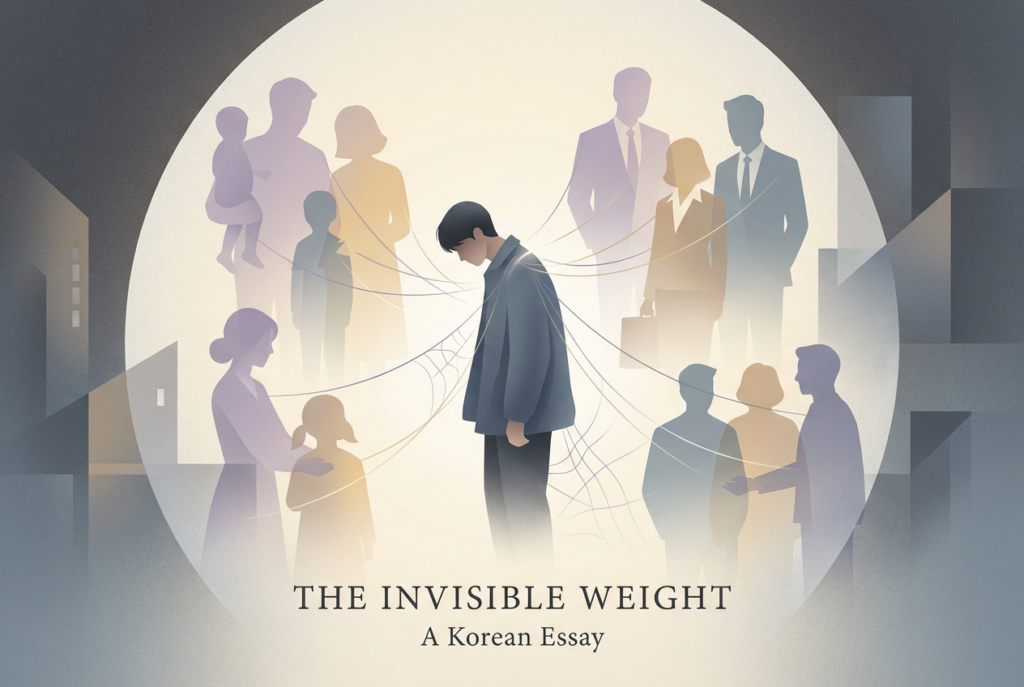
When Friendship Becomes Emotionally Draining
Personally, I have often felt exhausted by a certain type of relationship with some middle-aged male friends. They are not necessarily struggling financially, yet they frequently complain about their lives. At the same time, their conversations often contain subtle self-praise. Some of them call late at night or early in the morning – choosing times that are convenient for them rather than for others – and many of these conversations turn into long sessions of self-pity.
At some point, I started wondering whether this was really friendship or something closer to a parasitic relationship: a situation where someone drains another person emotionally in order to feel better about themselves.
Because of experiences like this, I sometimes feel that in Korea, not every relationship that is called “friendship” truly functions as one.
Of course, this is not the whole story. I am fortunate to have several friends who live their lives quietly and responsibly. They focus on their own path and do not constantly seek emotional validation from others.
The people who tend to exhaust me the most are those who constantly say things like:
“Listen to my – long and boring – story.”
“Please understand how difficult my life is.”
“Feel sorry for me.”
Since most of my close friends today happen to be men, I hear this kind of complaint more often from them. But in reality, this may not be a gender issue at all. It may simply be a personality type that exists everywhere.
One thing I have personally noticed, however, is that many Korean men – regardless of age – seem to enjoy complaining and positioning themselves as the main character even in someone else’s life.
(I’m like ‘bro, why…?’)
In my experience, quite a few of them struggle to recognize the emotional boundaries of others.
Over time, I began to distance myself from these kinds of toxic friendships. I also created a certain level of distance from parts of my extended family as well – except for my mother.
Only after doing that did I begin to feel something I had not felt for a long time: the ability to breathe a little more freely.
Sometimes protecting your peace does not come from changing other people.
Sometimes it simply comes from deciding how close they are allowed to be in your life.
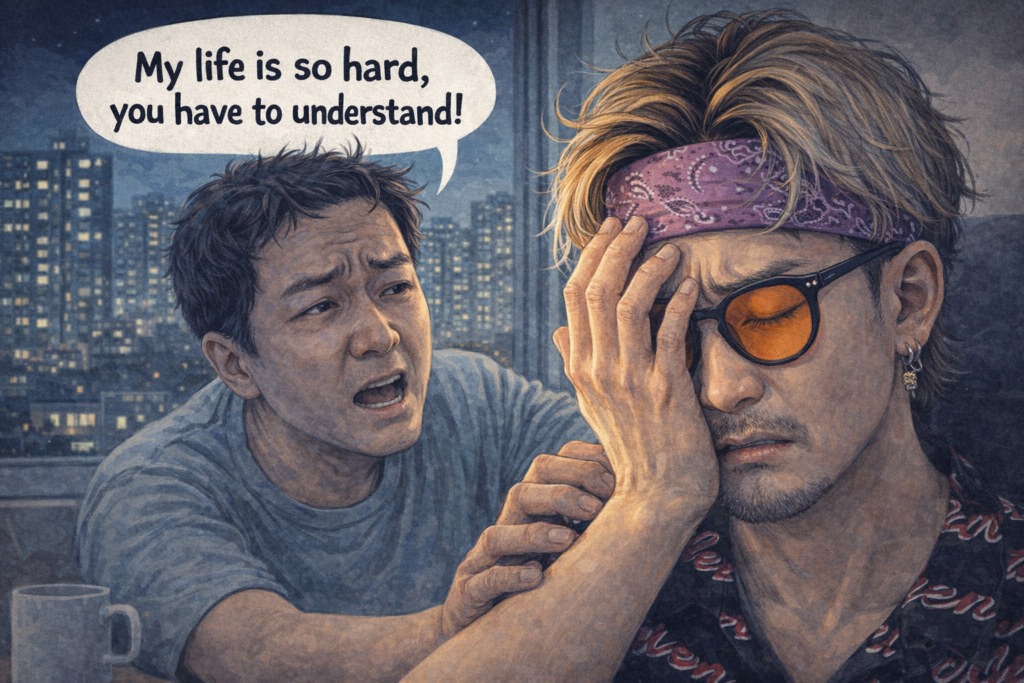
Sometimes it simply comes from deciding how close they are allowed to be in your life.
Image credit: Created with Microsoft Copilot AI illustration tool